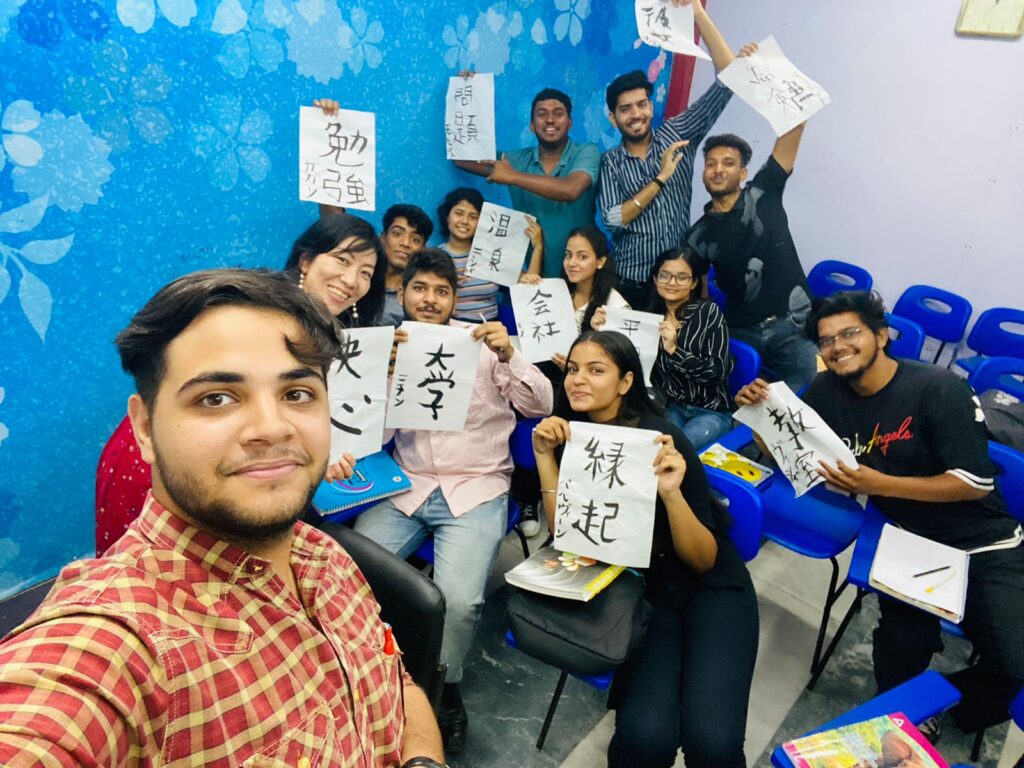

Learning Japanese isn’t just about mastering grammar and vocabulary—it’s also about understanding culture, geography, and how people identify themselves. One of the most practical topics for beginners and travelers alike is countries and nationalities. Knowing how to say a country’s name and its corresponding nationality in Japanese can help you introduce yourself, make friends, and navigate travel experiences smoothly.
In Japanese, countries are called “国” (kuni), while nationalities often end with “人” (jin). For example, 日本 (Nihon) means Japan, and 日本人 (Nihon-jin) means Japanese person. This simple structure can be applied to almost all countries. Let’s explore some common examples:
- アメリカ (Amerika) – America → アメリカ人 (Amerika-jin) – American
- イギリス (Igirisu) – United Kingdom → イギリス人 (Igirisu-jin) – British
- 中国 (Chūgoku) – China → 中国人 (Chūgoku-jin) – Chinese
- 韓国 (Kankoku) – South Korea → 韓国人 (Kankoku-jin) – Korean
- フランス (Furansu) – France → フランス人 (Furansu-jin) – French
- ドイツ (Doitsu) – Germany → ドイツ人 (Doitsu-jin) – German
- インド (Indo) – India → インド人 (Indo-jin) – Indian
Notice the pattern: the country name first, followed by “人” (jin) to indicate nationality. For countries with long or difficult names in Japanese, katakana is typically used, as most of them are borrowed from foreign languages. For example, ブラジル (Burajiru) is Brazil → ブラジル人 (Burajiru-jin) – Brazilian.
When introducing yourself, you can say:
私はインド人です。 (Watashi wa Indo-jin desu.) – I am Indian.
Or, if asking someone’s nationality:
あなたはどこの国の人ですか? (Anata wa doko no kuni no hito desu ka?) – Which country are you from?
Some countries have unique ways of forming nationalities. For example, アメリカ合衆国 (Amerika Gasshūkoku) is the formal term for the United States, but people usually say アメリカ人 (Amerika-jin). Similarly, オーストラリア (Ōsutoraria) is Australia → オーストラリア人 (Ōsutoraria-jin) – Australian.
Understanding countries and nationalities is also essential in reading news, traveling, or even learning about world culture. For instance, when watching Japanese TV shows or reading articles, you might see phrases like:
イギリス人選手がオリンピックで金メダルを取りました。
(Igirisu-jin senshu ga Orinpikku de kin medaru o torimashita.)
– A British athlete won a gold medal at the Olympics.
To master this topic, it helps to make flashcards with the country name on one side and the nationality on the other. Repetition and context, such as watching Japanese travel videos or practicing introductions, make it easier to remember.
In conclusion, learning countries and nationalities in Japanese is a simple but essential step toward fluency. Once you master this, you can confidently introduce yourself, ask about others, and connect with people from around the world in Japanese. Whether you are a beginner or planning to travel, this foundational knowledge will make your Japanese conversations more natural and enjoyable.